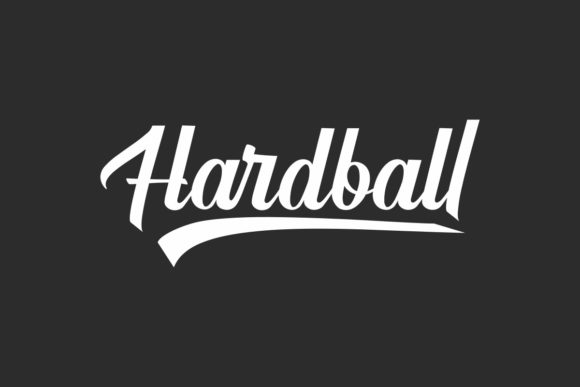
Hardball: A Retro Script Font with a Modern Edge
When you're working on a project that needs a touch of personality, a generic script font just won't cut it. You need something with character, a typeface that tells a story before a single word is read. That's where Hardball comes in. It's not just another script; it's a distinct, retro-styled font that channels a confident, hand-lettered vibe perfect for grabbing attention and setting a specific mood.
Imagine the bold, flowing script of a classic diner sign from the 1950s or the confident lettering on a vintage baseball card. Hardball captures that nostalgic energy. Its letterforms have a substantial weight and a fluid, connected style that feels both authentic and carefully crafted. The strokes have a natural, slightly textured quality, avoiding the sterile perfection of some digital fonts. This gives it an immediate sense of warmth and craftsmanship. It’s the kind of premium font that feels like a design asset you can rely on to inject instant personality into a project.
Where Hardball Truly Shines
Understanding a font's personality is one thing; knowing where to deploy it is another. Hardball's retro charm and strong presence make it a versatile tool, but it excels in specific contexts where its character can truly resonate.
For logo design and brand identity, Hardball is a standout choice. It’s perfect for brands that want to convey a sense of heritage, authenticity, or playful confidence. Think of a craft brewery, a barbershop, a vintage clothing line, or a specialty coffee roaster. Using Hardball for the wordmark instantly communicates a brand story rooted in tradition and quality. It’s a creative font that helps build immediate recognition.
In the realm of packaging design and merchandise, this display font is a powerhouse. Its bold nature ensures product names pop off the shelf, whether on a bottle of hot sauce, a bag of artisanal chips, or a t-shirt design. It has the visual weight to work on its own or as a headline element paired with a simpler sans serif font for descriptive text. The retro style also makes it a natural fit for social media graphics that need to stop the scroll and evoke a specific, nostalgic feeling.
Beyond commercial use, Hardball is fantastic for personal projects. Creating custom invitations for a milestone birthday, designing headers for a blog with a vintage aesthetic, or crafting unique quotes for wall art—the font brings a level of polish and personality that’s hard to achieve with standard options. Its PUA encoding is a practical bonus here, giving you easy access to all the stylistic swashes and alternate glyphs to customize your lettering perfectly.
Working with Hardball: Practical Considerations
Choosing the right script font is just the first step. Using it effectively requires a bit of strategic thinking. Here’s how to get the most out of Hardball in your projects.
First, consider readability. Like most display and script typefaces, Hardball is designed for impact at larger sizes. It’s perfect for headings, logos, and short, punchy phrases. For body copy or long paragraphs, you’ll want to pair it with a highly legible serif font or sans serif font. A clean, modern sans serif like Montserrat or a classic serif like Lora can create a beautiful contrast, letting Hardball’s personality shine without sacrificing the readability of the supporting text. This practice of font pairing is essential for creating a balanced and professional typographic hierarchy.
Evaluate the project’s tone. Hardball’s personality is strong. It communicates confidence, nostalgia, and a hands-on aesthetic. If your project calls for minimalist, ultra-modern, or corporate-serious tones, it might not be the right fit. But for anything that benefits from a touch of warmth, individuality, or retro flair, it’s an excellent candidate.
Before finalizing, always test the font in context. Mock up your design to see how the letterforms interact with your other visual elements—colors, images, and layout. Pay attention to the spacing (kerning) between letters, especially in logos, to ensure a balanced look. Take advantage of the included swashes and alternates; they can transform a simple word into a unique piece of lettering, perfect for a standout logo or a decorative invitation header.
Finally, understand the licensing. Hardball is a commercial font, which means it comes with a license for use in your projects, including for commercial work. This is a crucial aspect of professional design, ensuring you have the legal right to use the typeface in client work, products for sale, and published materials. Always review the license details to ensure your intended use is covered, which is a standard part of working with quality design assets.
In the crowded world of modern typography, finding a font that feels both distinctive and usable is a win. Hardball offers that rare combination. It’s a tool that can elevate a brand, define a product’s look, and add a memorable touch to any creative project. Its strength lies in its clear point of view and practical versatility, making it a valuable addition to any designer’s or creator’s toolkit.